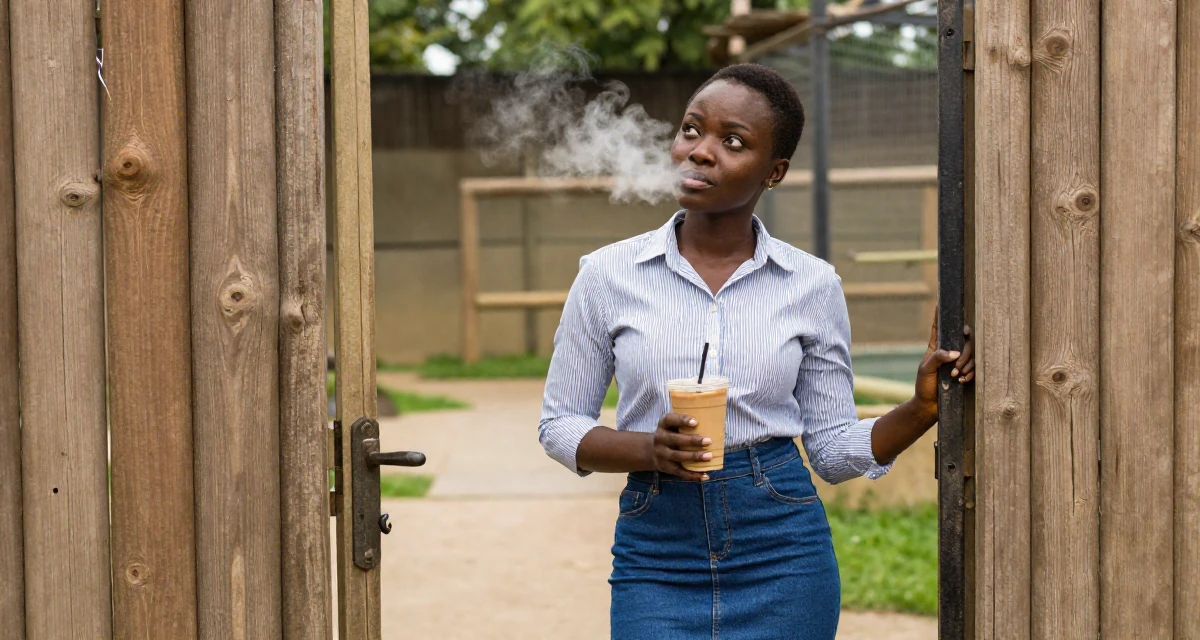
If you’ve been spiraling (quietly, while steaming oat milk) about getting your first paying subscribers, you’re not alone. And if “Tyler Posey OnlyFans” popped into your head as a weirdly motivating comparison—also normal.
Because here’s the myth that sneaks into creator brains at 2:00 a.m.:
Myth #1: “If a celebrity can do OnlyFans, I should launch fast—or I’ll miss my shot.”
Reality: celebrity behavior is not a map; it’s a highlight reel. A few years ago, Tyler Posey briefly joined OnlyFans. That fact gets repeated online like a cheat code: Famous person + OnlyFans = instant money. But “briefly joined” is the detail that matters. It implies testing, experimenting, adjusting, and (most importantly) having the option to stop without it wrecking rent.
You’re building from a different starting line: micro-influencer momentum, privacy concerns, and that very specific anxiety of “what if my first subscriber is a creep, a coworker, or someone who thinks boundaries are optional?” (Spoiler: boundaries are mandatory.)
So instead of treating Tyler Posey’s short OnlyFans moment as a blueprint, use it as a mindset shift:
Mental model: OnlyFans isn’t a single “big launch.” It’s a series of controlled experiments—with brand safety, personal safety, and pricing clarity.
I’m MaTitie (Top10Fans editor), and below is a practical, privacy-first, anxiety-reducing way to think about this—without judgment, without pressure, and without turning your life into content.
Myth #2: “OnlyFans success is mainly about being bold.”
Reality: it’s mainly about being consistent, legible, and safe.
The internet loves chaos because it’s clickable. But chaos is not a creator strategy.
A good example of how quickly the narrative can spin: the Jan 17, 2026 airline incident covered by Simple Flying, where OnlyFans models were removed after a first-class seating stunt. That kind of moment can create short-term attention, sure—but it also shows how fast offline behavior becomes online brand baggage when “OnlyFans” is attached to the headline. (Source: Simple Flying)
If you’re already worried about privacy leaks, take the lesson:
You don’t need stunts. You need systems.
Myth #3: “You have to do adult content to make OnlyFans work.”
Reality: adult content is common, but OnlyFans is a paid access platform, not a single content category.
Creators make money when they deliver one (or more) of these reliably:
- A clear niche
- A predictable posting rhythm
- A relationship-based experience (DMs, customs, lives, polls)
- A reason to stay subscribed (series, routines, benefits)
Metro Ecuador’s niche coverage (Jan 17, 2026) reinforces something I’ve seen repeatedly across markets: money clusters where the offer is specific—not where the creator is the most extreme. (Source: Metro Ecuador)
So if your brain is trying to “solve” OnlyFans by asking, How far do I have to go?—swap the question to: How clear can I be, and how safely can I repeat it?
For your situation (micro-influencer building, anxiety about first payers, privacy concerns), that’s a power move.
What Tyler Posey’s brief OnlyFans moment actually teaches (without pretending we know details)
We’re not going to invent what he posted or why he joined. We only need the observable pattern: a public figure tried the platform briefly.
That can mean:
- testing a new channel
- gauging audience demand
- exploring direct-to-fan revenue
- realizing it didn’t fit long-term brand priorities
- or simply moving on
For you, the useful takeaway is this:
Treat your launch like a reversible decision. You’re not marrying the platform. You’re piloting it.
The “Pilot, Don’t Panic” framework (4 weeks)
If your anxiety spikes around your first paying subscribers, structure helps—because structure turns “unknown” into “scheduled.”
Week 0 (prep): privacy + boundaries + offer clarity
Week 1: soft-launch to a small audience segment
Week 2: refine your content categories (what converts, what drains you)
Week 3: adjust pricing and retention hooks
Week 4: decide: scale, pivot niche, or pause
A pause is not failure. It’s data.
A grounded reason people join OnlyFans (that isn’t “fame” or “desperation”)
Here’s another myth that hurts creators:
Myth #4: “People join OnlyFans because they ‘quit’ their real work.”
Reality: many join because life forces a pivot—injury, burnout, downtime, schedule changes.
A public example in the prompt: Vickery’s rep said she joined because she was off for six months due to a major injury, and that it wasn’t about stopping her main path—OnlyFans was pursued during downtime.
Even if your “downtime” is emotional (anxiety, uncertainty) rather than physical, the logic still applies:
OnlyFans can be a flexible revenue stream when traditional schedules don’t cooperate.
Your barista shifts + micro-influencer grind already prove you can show up. The opportunity is packaging that effort into something paid—without sacrificing your privacy or mental health.
The part nobody tells you: your first paying subscriber is a workflow problem, not a worthiness test
You’re anxious because you care—about boundaries, leaks, reputation, and not feeling stupid for trying.
Let’s defuse it.
What first subscribers usually are
- A quiet supporter who’s been lurking forever
- A curious follower who wants closer access
- A bargain-hunter who churns quickly
- A boundary-pusher who tests what you’ll allow (rare, but real)
You don’t “handle” these with vibes. You handle them with settings + scripts.
Privacy-first workflows (the stuff that helps you sleep)
You said it: leaks are scary. Here’s the practical approach I recommend for creators in the United States who want safer operations.
1) Separate your creator identity from your daily life
- New email used only for creator accounts
- Separate social handles (even if you cross-promote)
- Avoid posting identifiable background details (work schedule patterns, exact neighborhood shots)
2) Watermark smart (without making it ugly)
- Use a subtle username watermark placed where cropping ruins the image
- Use consistent placement across content so it’s “automatically yours” in screenshots
3) Limit what you give away in DMs
- Don’t negotiate boundaries in real time
- Don’t send custom content without payment confirmation
- Keep a short, polite refusal template (more on that below)
4) Build a “no face / partial face” content lane (even if you show face sometimes)
This is your insurance policy for:
- bad mental health days
- days you don’t want to be recognizable
- days you want to reduce leak impact
Consistency beats intensity. Your nervous system will thank you.
Offer design that doesn’t attract chaos
Creators accidentally train subscribers to be annoying when the offer is vague.
Instead, make it painfully clear:
- What’s included in the subscription
- What’s pay-per-view
- What you will not do (no negotiation)
Example menu (edit to fit your comfort):
- Subscription: weekly sets + casual behind-the-counter life vibes (no location specifics), polls, and story-style updates
- PPV: themed sets, longer videos, higher production
- Customs: only via form + set rates + delivery window
- Hard no’s: doxxing requests, “say my name” if it risks privacy, meetups, anything that breaks your boundaries
When your offer is clear, good subscribers feel safe—and bad subscribers self-select out.
Scripts for boundary-pushers (witty, firm, low-drama)
Use these so you’re not improvising while anxious.
If someone asks for personal info:
“Can’t share personal details, but I can absolutely recommend content options from my menu.”
If someone demands a discount:
“I keep pricing consistent so everyone gets the same deal. If you want, I can point you to my best-value option.”
If someone tries to push a hard no:
“That’s not something I offer. If you’d like, tell me what style you do want within my menu.”
The goal isn’t to win an argument. It’s to end the conversation cleanly.
Pricing that reduces anxiety (and churn)
Anxiety often makes creators underprice because they want “proof” someone will pay.
Here’s the calmer model:
Start simple
- One base subscription price you can sustain
- One PPV tier for higher effort
- Customs only after you’ve had a week or two to feel platform rhythm
Why this helps
- Fewer decisions = less anxiety
- Cleaner expectations = fewer angry messages
- You protect your time (your most expensive resource)
Retention is easier than constant promo (and feels less soul-sucking)
A subscriber doesn’t need a perfect photoshoot. They need a reason to stay.
Try retention hooks like:
- Series content: “Monday Espresso Set,” “Shift-Ending Wind-Down,” “Kazakh comfort-food talk + Q&A” (your background is a differentiator if you choose to share it)
- Poll-driven content: subscribers vote on themes (you still control boundaries)
- Monthly perk: one “subscriber-only” drop that doesn’t go PPV for 30 days
Keep it stable. Stable beats viral.
“But what if someone I know subscribes?”
This fear is common—and valid.
Here’s the myth:
Myth #5: “If someone I know finds me, it’s automatically disastrous.”
Reality: it’s only disastrous if you don’t plan for it.
Practical mitigation
- Avoid tying your creator identity to your legal name
- Don’t post identifiable workplace details
- Consider content that doesn’t reveal repeatable real-world patterns
Emotional mitigation
Decide your policy now, not in panic later:
- If you suspect someone you know: do you block, ignore, or continue professionally?
- If they message you off-platform: do you refuse to discuss and redirect?
Planning reduces fear.
Lessons from Kerry Katona headlines (and why they matter to you even if you’re not famous)
Kerry Katona has been in the news for saying she made “millions” on OnlyFans and also expressing complicated feelings about family and the platform. Whatever you think of celebrity coverage, it highlights something true: public narratives can be messy even when income is strong. (Sources: Nzcity Personal, Mail Online)
Your takeaway as a smaller creator should be the opposite of panic:
- Choose what story you want your page to tell.
- Build so you can keep living your life without constantly managing fallout.
That’s a brand strategy and a mental health strategy.
A safer growth plan for a micro-influencer (that doesn’t require chaos)
Here’s a practical funnel that fits your situation:
Step 1: Pick a niche that matches your energy, not just demand
Use the “3E test”:
- Enjoyable: you can do it on a normal day
- Efficient: you can produce it without burning out
- Expandable: you can add variations for months
Examples that stay privacy-forward:
- aesthetic lifestyle sets (no location clues)
- themed shoots with consistent styling
- “day-in-the-life” storytelling without real-time details
- voiceover Q&As, faceless routines, curated behind-the-scenes
Step 2: Promote without doxxing yourself
- Don’t post in real time from your workplace
- Batch content on one day, schedule it out
- Keep “where I am” vague; keep “what I’m doing” specific
Step 3: Make the first month intentionally small
Your goal isn’t 500 subscribers. Your goal is:
- 10–30 subscribers you can serve well
- clean boundaries
- repeatable content rhythm
Then scale.
Quick checklist: your first 10 paying subscribers (no spiraling edition)
- Bio clearly states what they get
- Welcome message + pinned menu post
- One weekly series (easy to repeat)
- Watermark + metadata hygiene (don’t upload originals with extra info)
- DM boundaries saved as quick replies
- One retention perk planned for day 21
- A “pause plan” if anxiety spikes (reduce posting, not vanish)
If you want a growth push later, that’s when it makes sense to “join the Top10Fans global marketing network”—but only after your foundations feel safe and sustainable.
Bottom line: stop using Tyler Posey as pressure—use him as permission
Tyler Posey briefly joining OnlyFans is not a signal that you must go fast. It’s proof that even people with big audiences treat platforms as experiments.
You’re allowed to do the same—just with better boundaries.
Build slow. Build safe. Build something you don’t have to hide from your own nervous system.
📚 Keep Reading (If You Want the Receipts)
If you’d like extra context on the news examples mentioned above, here are a few solid starting points.
🔸 American Airlines Offloads Drunk OnlyFans Models After First-Class Seating Stunt
🗞️ Source: Simple Flying – 📅 2026-01-17
🔗 Read the full article
🔸 Kerry Katona admits she would be ‘devastated’ if her children joined OnlyFans
🗞️ Source: Mail Online – 📅 2026-01-17
🔗 Read the full article
🔸 Nichos más rentables en OnlyFans 2025
🗞️ Source: Metro Ecuador – 📅 2026-01-17
🔗 Read the full article
📌 Disclaimer
This post mixes publicly available information with a touch of AI assistance.
It’s here for sharing and discussion only — not every detail is officially verified.
If something seems off, message me and I’ll correct it.
💬 Featured Comments
The comments below have been edited and polished by AI for reference and discussion only.